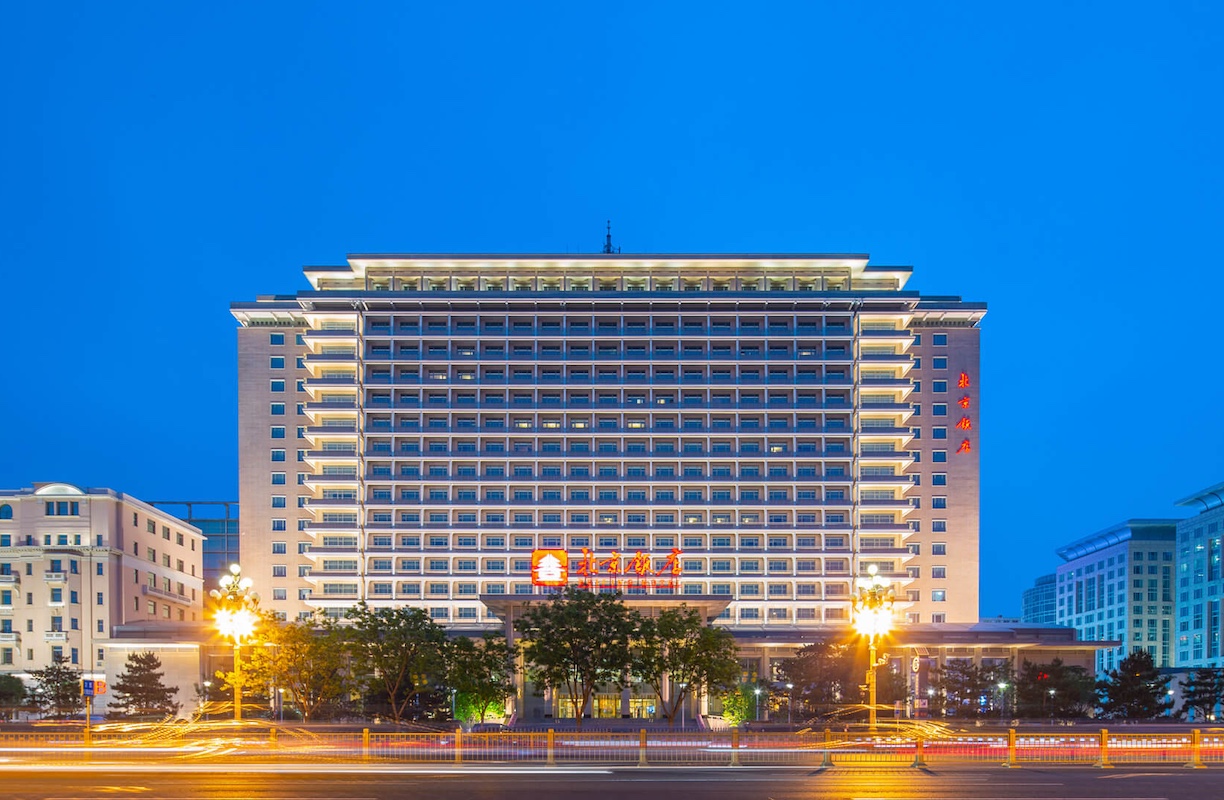
Located in the heart of Beijing, the Beijing Hotel stands as a testament to China's rich history and rapid modernization. Known for its architectural grandeur and historical significance, this establishment has hosted numerous important political and cultural events, making it a landmark in Beijing's urban landscape. This article delves into the history, architecture, cultural significance, and modern-day relevance of the Beijing Hotel.
Historical Background
Early Beginnings
The Beijing Hotel traces its origins back to the early 20th century. Initially opened in 1915, the hotel was built to accommodate foreign dignitaries and businessmen during a time when China was gradually opening up to international influences. The original structure was a blend of European and Chinese architectural styles, reflecting the cosmopolitan aspirations of Beijing at the time.
The Republican Era
During the Republic of China era (1912-1949), the Beijing Hotel became a hub for political and cultural activities. It hosted numerous significant events, including diplomatic meetings and cultural exchanges. The hotel’s luxurious setting and strategic location near major government buildings made it a preferred choice for many officials and dignitaries.
The Communist Era
After the establishment of the People’s Republic of China in 1949, the Beijing Hotel continued to play a vital role. It was expanded and renovated several times to meet the growing demands of the new government and the influx of international visitors. The hotel's prominence grew as it hosted numerous important meetings and events, including those related to the Communist Party.
Architectural Evolution
Early Architecture
The original design of the Beijing Hotel was characterized by a mixture of neoclassical and traditional Chinese elements. The facade featured grand columns and intricate stone carvings, while the interiors boasted opulent chandeliers, elaborate woodwork, and luxurious furnishings. This blend of styles symbolized the fusion of Eastern and Western influences during the early 20th century.
Mid-20th Century Expansion
In the 1950s and 1960s, the hotel underwent significant expansions to accommodate the increasing number of guests. The new wings added during this period were designed in a more modernist style, reflecting the architectural trends of the mid-20th century. These expansions included additional guest rooms, conference facilities, and dining areas, all designed to enhance the hotel's capacity and functionality.
Contemporary Renovations
In the late 20th and early 21st centuries, the Beijing Hotel underwent further renovations to modernize its facilities while preserving its historical charm. These renovations included updates to the guest rooms, the addition of modern amenities such as high-speed internet and fitness centers, and the restoration of historical features. The goal was to ensure that the hotel remained competitive in the modern hospitality industry while retaining its unique character.
Cultural and Political Significance
A Venue for Diplomacy
Throughout its history, the Beijing Hotel has been a significant venue for diplomatic activities. It has hosted numerous state banquets, international conferences, and diplomatic meetings. Notable figures, including heads of state, government officials, and cultural icons, have stayed at the hotel, making it a witness to many key moments in modern Chinese history.
Cultural Events and Celebrations
The Beijing Hotel has also been a center for cultural events and celebrations. It has hosted numerous art exhibitions, cultural festivals, and performances, showcasing both Chinese and international talent. These events have contributed to the hotel's reputation as a cultural hub in Beijing, attracting artists, performers, and cultural enthusiasts from around the world.
A Symbol of Beijing’s Evolution
The Beijing Hotel stands as a symbol of Beijing’s evolution from a traditional city to a modern metropolis. Its architectural changes reflect the city’s development over the past century, while its role in hosting significant events highlights its importance in China’s political and cultural life. The hotel’s enduring presence in the heart of Beijing is a testament to its resilience and adaptability in a rapidly changing world.
Modern-Day Relevance
Luxury Accommodations
Today, the Beijing Hotel continues to offer luxury accommodations to its guests. Its rooms and suites are equipped with modern amenities and designed to provide maximum comfort. The hotel also offers a range of services, including fine dining, spa treatments, and concierge services, ensuring that guests have a memorable and enjoyable stay.
Conference and Event Facilities
The Beijing Hotel remains a premier venue for conferences and events. Its state-of-the-art facilities can accommodate a wide range of events, from small business meetings to large international conferences. The hotel’s experienced staff provides professional event planning and support services, ensuring the success of every event hosted within its walls.
A Gateway to Beijing’s Attractions
Located near many of Beijing’s major attractions, the Beijing Hotel serves as an ideal base for exploring the city. Guests can easily visit iconic sites such as Tiananmen Square, the Forbidden City, and the National Museum of China. The hotel’s central location also provides convenient access to shopping districts, cultural venues, and dining options, making it a perfect choice for tourists seeking to experience the best of Beijing.
The Beijing Hotel is more than just a place to stay; it is a historical and cultural landmark that embodies the spirit of Beijing. From its early days as a meeting place for foreign dignitaries to its current status as a luxury hotel and cultural hub, the Beijing Hotel has played a vital role in the city’s history. Its architectural grandeur, historical significance, and modern amenities make it a unique and enduring symbol of Beijing’s past, present, and future.